
Vigneti del Barolo DOCG nelle Langhe piemontesi

Barolo DOCG

Barolo DOCG vineyards in the Langhe hills of Piedmont

Barolo DOCG represents one of the most structured expressions of Nebbiolo in the Langhe, known for firm tannins, high acidity and an ageing potential that can exceed 20 years in the best vintages. Produced within a limited area, it follows a strict appellation regulation requiring a minimum ageing period of 38 months, rising to 62 months for the Riserva version.

The Cantinium Shop selection of Barolo DOCG is built around a clear criterion: highlighting producers, crus and vintages capable of expressing the identity of the territory and the wine’s ability to evolve over time.

Our selection includes both bottles that are more accessible in their youth and Barolo wines designed for long ageing in the cellar, chosen for stylistic consistency and interest for collectors and knowledgeable enthusiasts.

Discover the Barolo DOCG selection available on Cantinium Shop, featuring historic crus and vintages of particular interest.
The most important Barolo crus

The Barolo territory is divided into additional geographical mentions, commonly referred to as crus, which express Nebbiolo in distinctive ways depending on soil, exposure and microclimate.

The choice of cru directly influences the style of the wine: the more elegant areas are generally more accessible in youth, while the more structured zones are often better suited to long ageing.

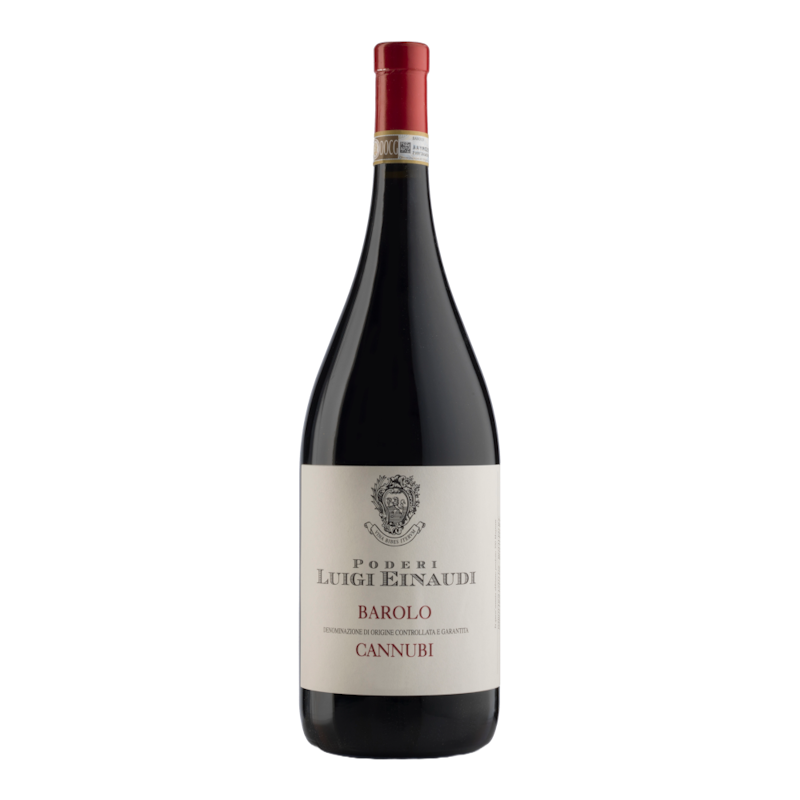
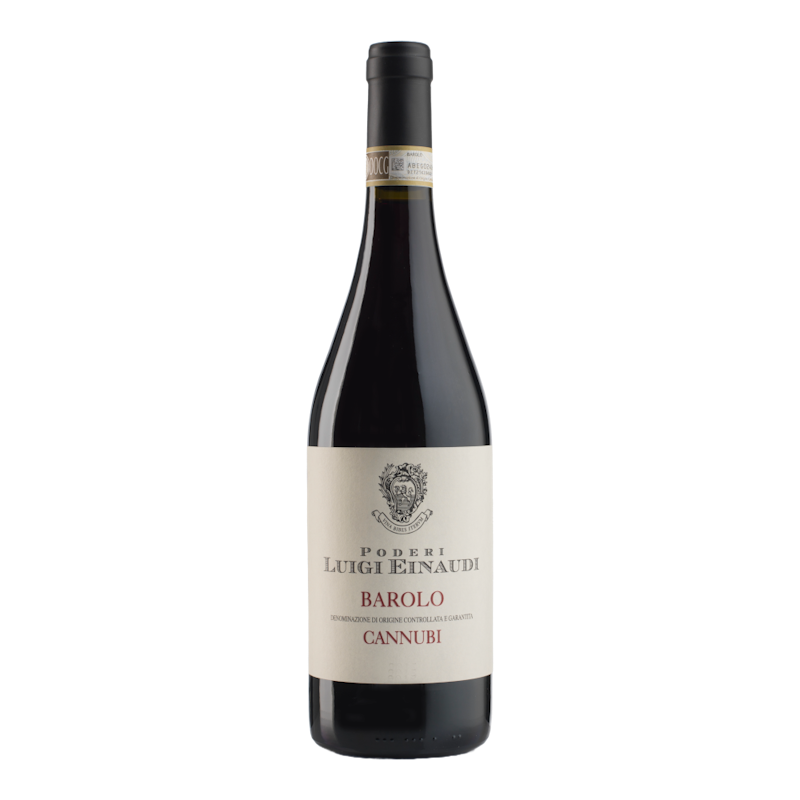
Cannubi

One of the most historic crus of the appellation, known for balance, aromatic finesse and greater accessibility compared with other areas.

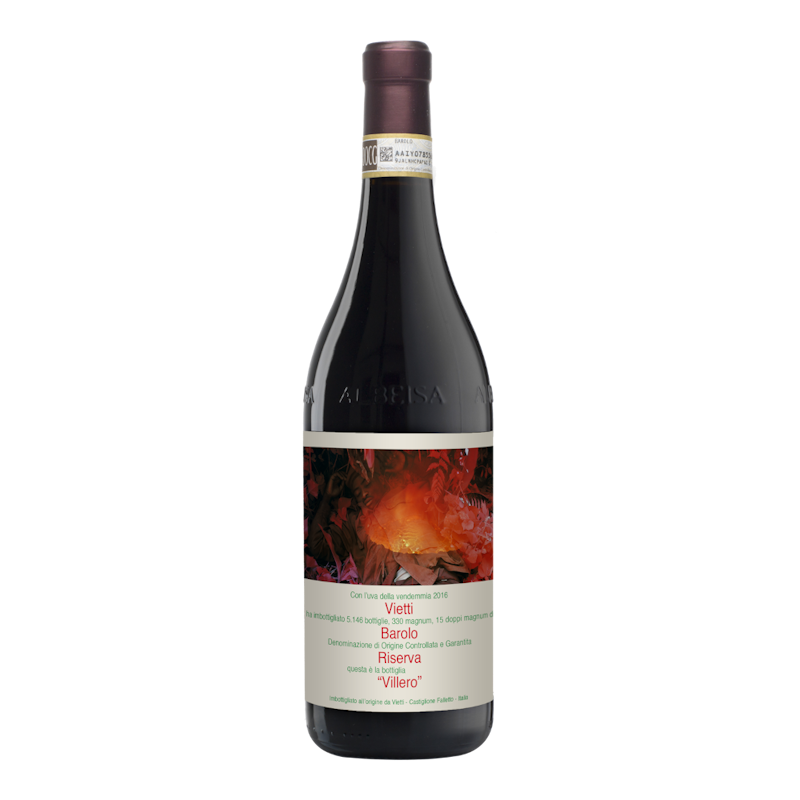
Villero

Located in Castiglione Falletto, Villero produces deep, structured Barolo wines with excellent ageing potential.

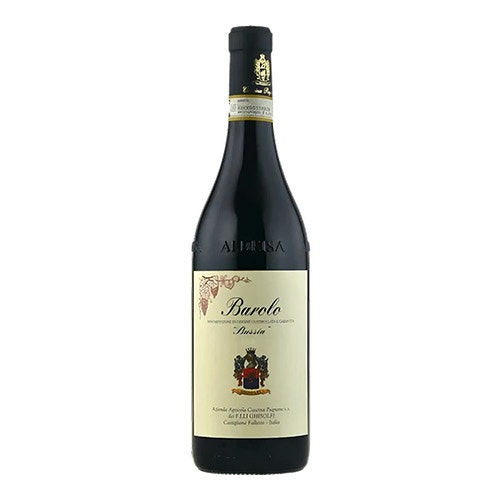
Bussia

One of the largest vineyards in Barolo, appreciated for intense, powerful wines with great concentration.

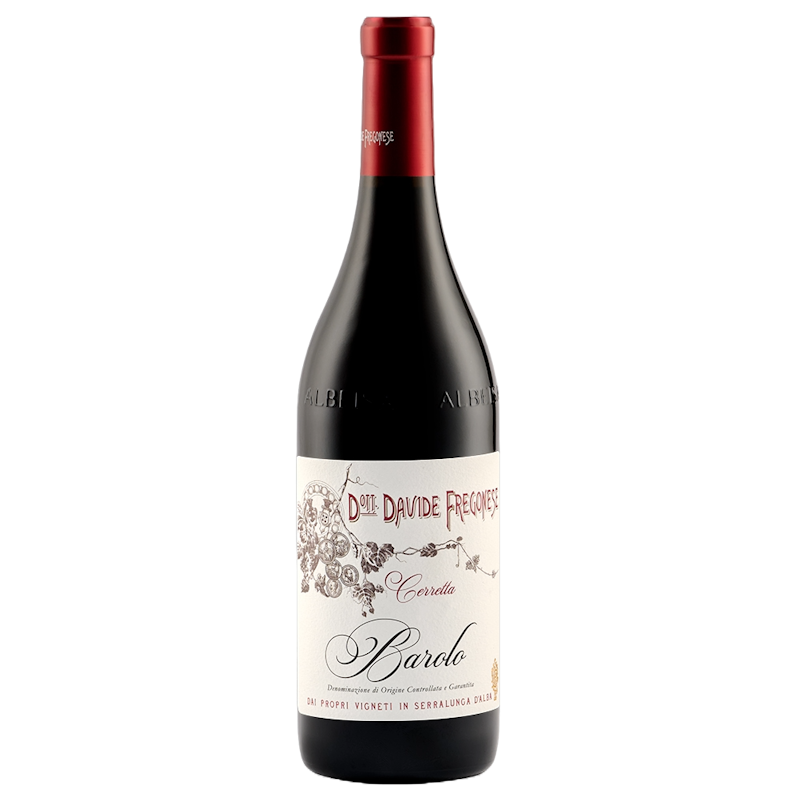
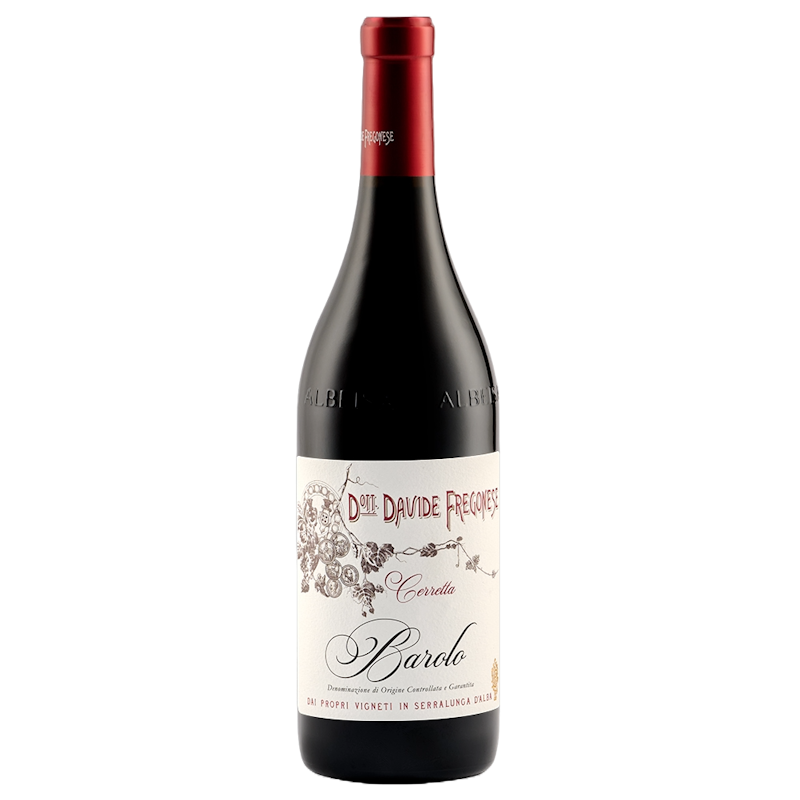
Cerretta

A cru in Serralunga d’Alba, known for wines that are more austere in youth but capable of great longevity.

Monvigliero

A cru in Verduno, recognised for elegance, balance and aromatic finesse.

Selected Barolo producers

The Cantinium Shop selection includes Barolo DOCG wines from representative producers of the Langhe, each with a distinctive style shaped by the crus and by their interpretation of Nebbiolo.

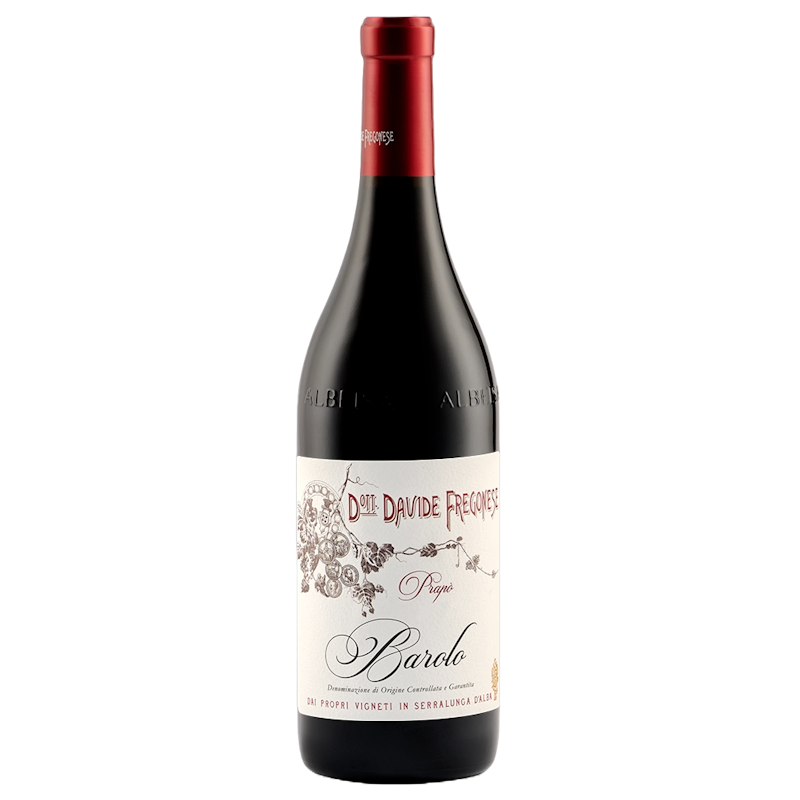
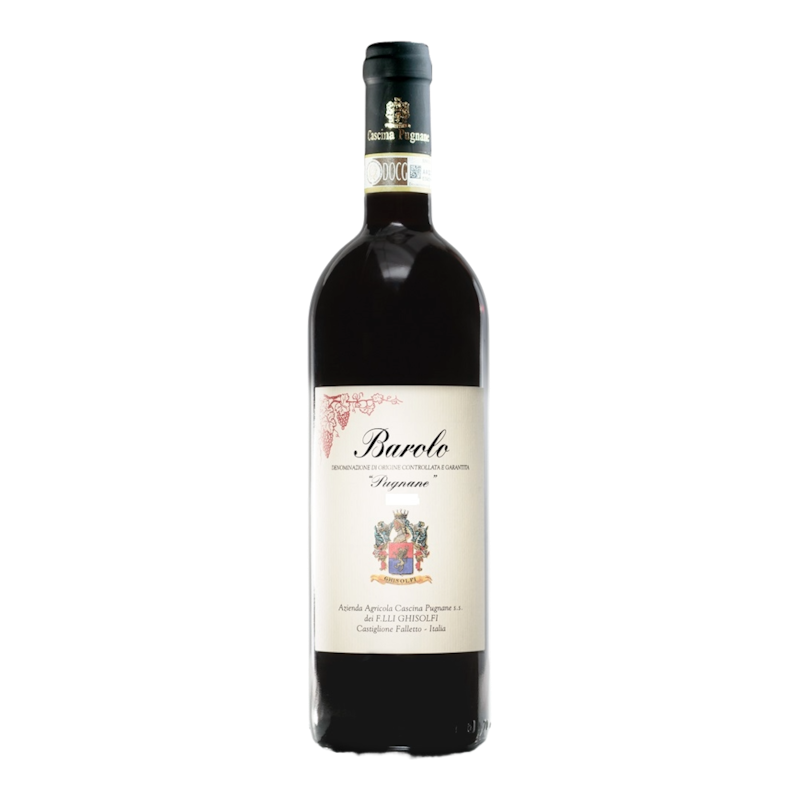
Among the wineries featured in the selection are Vietti, Poderi Luigi Einaudi, Davide Fregonese and Cascina Pugnane.

The Cantinium criterion favours bottles with a clear territorial identity, strong ageing potential and interest for those looking to buy Barolo either to drink today or to keep over time.

The best Barolo vintages

Vintages play a decisive role in shaping the style of Barolo DOCG. Fresher and more balanced vintages are generally preferred for long-term cellaring, while warmer vintages often result in wines that are more open and accessible in their early years.

Barolo 2016

A legendary benchmark vintage, marked by balance between structure and acidity. It is often chosen for long-term cellaring.

Barolo 2019

A classic and highly promising vintage, with aromatic precision and a firm tannic structure.

Barolo 2015

A warmer vintage, with rich wines and softer tannins, suited to those looking for greater accessibility.

Barolo 2010

One of the most iconic vintages, appreciated for longevity, complexity and ability to evolve over time.

Collectible Barolo

Some Barolo DOCG wines are particularly interesting choices for collectors thanks to the combination of historic crus, limited production and benchmark vintages.

The finest expressions tend to maintain strong demand over time, especially when they come from recognised vineyards and producers with a strong reputation in the Langhe.

The selection includes both Barolo wines ready to drink and bottles designed for long ageing in the cellar.

How long can Barolo age?

Thanks to the phenolic structure and natural acidity of Nebbiolo, a Barolo DOCG can evolve positively for more than 20–30 years. During ageing, it develops complex tertiary aromas and greater integration between tannin and freshness.

Bottles intended for long-term cellaring require stable conditions, with temperatures between 14 and 16°C and controlled humidity, in order to preserve their ageing potential over time.

How to choose a Barolo?

Choosing a Barolo DOCG depends on the style you are looking for and the moment of consumption. More elegant crus are generally more accessible in youth, while wines from areas such as Serralunga d’Alba and Monforte d’Alba are often better suited to long ageing.

The vintage also plays a significant role: fresher and more structured years are generally preferred for cellaring, while softer vintages tend to be more immediate and ready to drink.

close

Login

Welcome